In the dynamic landscape of modern packaging, selecting the right labeling technology is a pivotal decision that directly impacts a manufacturer's operational efficiency, budget, and market agility. Sleeve labeling, renowned for its 360-degree branding capabilities and tamper-evident security, is typically applied using either automatic or semi-automatic machinery. Understanding the distinct advantages and limitations of each system is essential for businesses aiming to optimize their production lines and achieve sustainable growth.
Semi-Automatic Systems: Flexibility and Cost-Effectiveness
Semi-automatic sleeve labeling machines are primarily designed to serve small to medium-sized enterprises (SMEs), startups, and businesses with low-to-medium production volumes. Their most significant advantage lies in their economic accessibility; the initial capital expenditure is substantially lower than that of fully automated systems, making them an ideal entry point for businesses with budget constraints. These machines offer remarkable operational flexibility, allowing operators to easily handle diverse container shapes, sizes, and irregular geometries with minimal setup time. This adaptability makes semi-automatic systems particularly valuable for niche markets, seasonal production runs, or companies managing a high variety of SKUs in small batches. However, their reliance on manual labor for loading and unloading creates an inherent efficiency bottleneck, limiting throughput speeds and potentially introducing minor inconsistencies in label placement due to human variability.
Automatic Systems: High-Volume Precision and Integration
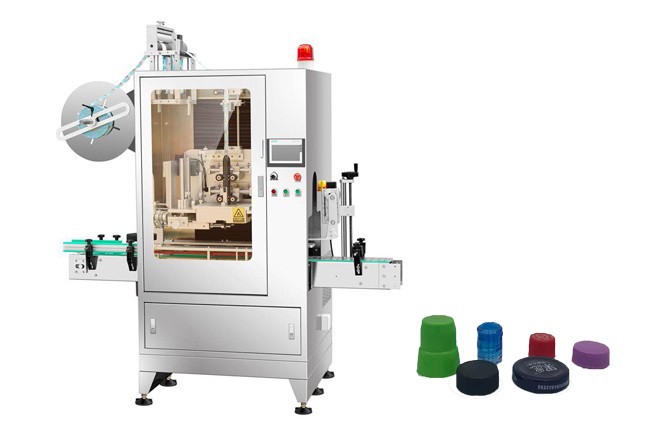
In contrast, automatic sleeve labeling machines are engineered for mass production environments where speed, consistency, and scalability are paramount. Fully integrated into conveyor lines, these systems utilize advanced servo motors, programmable logic controllers (PLCs), and machine vision technology to achieve high-speed throughput with micron-level precision. By eliminating manual intervention, automatic machines ensure uniform label application, drastically reducing material waste and maintaining strict regulatory compliance. Furthermore, modern automatic systems are designed with Industry 4.0 capabilities, allowing for seamless data integration, real-time monitoring, and predictive maintenance. While the upfront investment is significantly higher, the long-term return on investment is realized through reduced labor costs, minimized downtime, and the ability to meet the rigorous demands of large-scale retail and e-commerce supply chains.
Making the Right Strategic Choice
Ultimately, the decision between automatic and semi-automatic sleeve labeling machines hinges on a comprehensive evaluation of production needs and long-term business goals. For companies prioritizing agility, lower initial costs, and the ability to rapidly switch between diverse product lines, semi-automatic systems offer an unparalleled value proposition. Conversely, for manufacturers focused on maximizing output, ensuring absolute consistency, and integrating into high-speed automated packaging lines, automatic systems are the indispensable choice. By carefully weighing factors such as daily production volume, container complexity, and available capital, businesses can select the labeling solution that best aligns with their operational strategy and drives competitive advantage in the marketplace.
Contact: Kris.Jiang
Phone: +86-13512184818
E-mail: Kris.jiang@sr-packing.com
Add: No. 18, Changting Road, Fengxian District, Shanghai, China