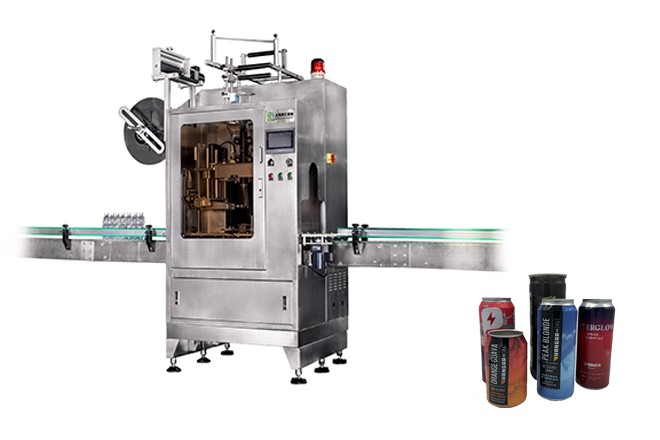
As the global push toward circular packaging gains momentum, shrink sleeve machines for cans are emerging as a pivotal technology not only for branding but also for enabling smarter, more sustainable can labeling solutions. In 2026, this equipment is being reimagined to meet dual demands: delivering high-impact visuals while aligning with environmental goals and digital supply chain requirements.
Traditionally associated with promotional or premium products, shrink sleeves on cans are now entering mainstream production thanks to breakthroughs in film recyclability and machine efficiency. Innovations in polymer science have yielded sleeves that cleanly separate from aluminum during eddy current sorting a critical step in maintaining the purity of recycled metal streams. This compatibility has reassured sustainability officers and brand owners alike, removing a long-standing barrier to adoption.
Simultaneously, shrink sleeve machines for cans are becoming more intelligent. Embedded sensors and AI-driven vision systems now monitor sleeve alignment, detect micro-wrinkles, and auto-adjust conveyor speeds in real time reducing waste and ensuring consistent quality across batches. Some systems even log performance data for traceability, supporting ESG reporting and continuous improvement initiatives.
Another underreported advantage is cold-chain compatibility. Unlike pressure-sensitive labels that may peel or fog under refrigeration, shrink sleeves remain tightly bonded to chilled cans, making them ideal for ready-to-drink beverages, dairy alternatives, and canned cocktails frequently stored at low temperatures. This reliability is driving uptake in foodservice and convenience retail channels where product presentation directly impacts sales.
Moreover, the rise of “digital-first” brands those launched primarily through e-commerce has amplified demand for photogenic, Instagrammable packaging. Shrink sleeves offer 360-degree storytelling potential, allowing brands to embed scannable codes that link to origin stories, cocktail recipes, or loyalty programs. The machinery enabling this shift is now designed with modular integration in mind, allowing easy pairing with inkjet coders, RFID applicators, or serialization modules.
Crucially, operational costs are declining. Energy-efficient shrink tunnels, reduced air consumption in pneumatic systems, and longer-lasting wear components have lowered the total cost of ownership making the technology accessible beyond large-scale producers to regional co-packers and craft beverage startups.
In an era where packaging must do more than contain it must communicate, comply, and contribute to planetary health the evolution of shrink sleeve machines for cans reflects a broader industry pivot toward responsible innovation. As recycling infrastructure improves and consumer expectations rise, this once-niche solution is poised to become a cornerstone of next-generation can decoration.
Contact: Kris.Jiang
Phone: +86-13512184818
E-mail: Kris.jiang@sr-packing.com
Add: No. 18, Changting Road, Fengxian District, Shanghai, China